
The morning in Cornwall started with the smell of salt and diesel. The harbor was still, except for the slow creak of ropes against wooden posts. I was about to spend a day with men who still fish the way their grandfathers did — no sonar, no massive nets, just lines and patience.
By 6:00 AM, we were out on the open sea. The gulls followed us, hopeful for scraps. I sat near the bow, my analog camera loaded with black-and-white film. Mark, our skipper, explained that handlining is more than a job — it’s survival, heritage, and quiet rebellion against industrial trawlers.
As the sun climbed higher, I tried my hand at pulling in mackerel. My forearms ached after minutes; the fishermen smiled knowingly. “It’s not about speed,” Mark said, “it’s about knowing where to wait.”
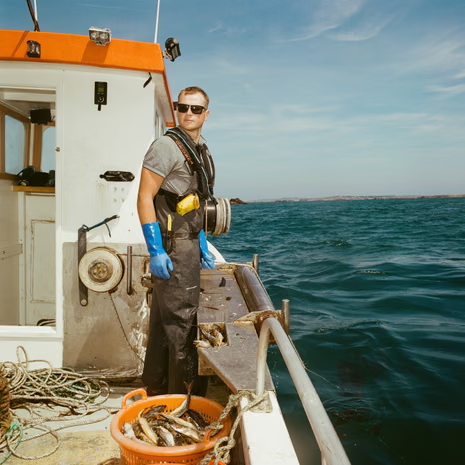
We returned at noon, our buckets heavy with fish. Over mugs of tea, the men told stories of storms, lost nets, and the days when harbors were full of small boats like theirs. Those days, they admit, are almost gone.